


 Pick a Date

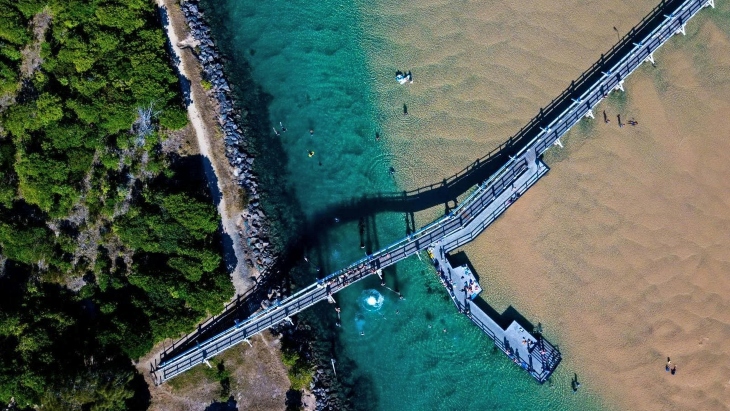
A landmark government report has ranked NSW's coastal waterways by microplastic contamination, and several Sydney swimming spots families know well have unfortunately landed on the list.
Here's what was found, where the hotspots are, and what it actually means for your family's next swim.
NSW's Contaminated Waterways: What Sydney Parents Need to Know Before Swimming
The NSW Environment Protection Authority (EPA), working with the Department of Climate Change, Energy, the Environment and Water (DCCEEW), sampled 120 coastal catchments from the Tweed to the Victorian border over three years. It's the first study of its scale conducted in Australia, and it tested the top 15 centimetres of surface water at each site for microplastic particles.
Researchers identified more than 31,000 particles across the study, including foam packaging fragments and plastic pellets. Microplastic concentrations ranged from 0.02 to 34.80 particles per cubic metre of water, and critically, every single waterway sampled returned a positive result. NSW EPA Chief Executive Tony Chappel said the contamination was detected across urban, regional and remote catchments alike, though the worst sites clustered heavily around Greater Sydney.
The 10 Most Contaminated Waterways in NSW
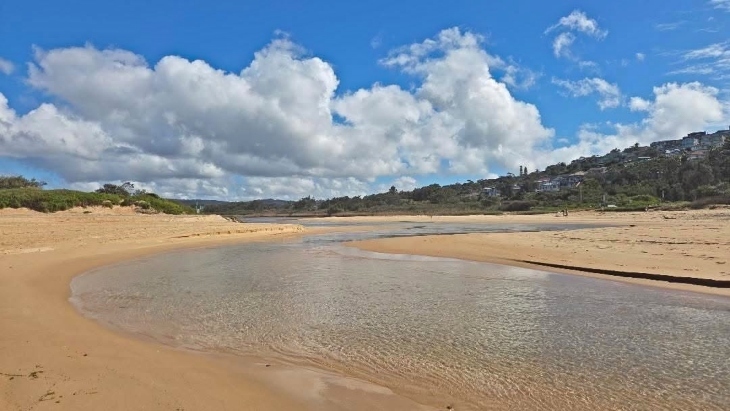
Waterways were graded from A (cleanest) to E (most contaminated), based on microplastic concentration in surface water. These are the 10 with the highest readings, ranked from worst:
1. Cooks River (Inner West Sydney)
2. Dee Why Lagoon (Northern Beaches)
3. Muddy Creek (Rockdale/St George)
4. Toongabbie Creek, part of the Upper Parramatta River system (Western Sydney)
5. Throsby Creek (Newcastle)
6. Coffs Creek (Coffs Harbour)
7. South West Rocks Creek, also known locally as Back Creek (Mid North Coast)
8. Manly Lagoon (Northern Beaches)
9. Parramatta River (Sydney)
10. Middle Harbour Creek (Lower North Shore)
Six of the 10 sites sit within Greater Sydney, with the Northern Beaches alone contributing three creeks and lagoons to the list. On the flip side, the cleanest waterways in the state — Myall Lake, Nadgee Lake, Middle Lagoon, Myall Broadwater and Wallaga Lake — are all in largely undeveloped catchments well outside the city.
Why These Particular Spots are so Contaminated
The data shows a consistent pattern: the more built-up and paved the catchment, the higher the microplastic count. Stormwater drains are the main delivery route. Rain washes tyre dust, synthetic clothing fibres, food packaging fragments and degraded litter off roads and footpaths, straight into drains that empty into creeks, lagoons and rivers before reaching the harbour or ocean.
Most of the particles found were under 1mm in size — too small to see or filter out with the naked eye. The report also flagged foam packaging, plastic pellets and artificial turf as traceable, priority sources, meaning EPA and council intervention on those specific products could meaningfully cut contamination at these sites over time.
The Health Risks of Swimming Among Microplastics
Research into how microplastics affect the human body is still developing, and NSW Health has not issued swimming restrictions based on this report. That said, here's what the current science does show about exposure:
-
Ingestion. Swallowing water while swimming is the most direct route. Early research has linked small amounts of ingested microplastics to gut irritation and disruption of the gut microbiome, though long-term effects in humans are still being studied.
-
Inhalation. Splashing and wave spray can aerosolise tiny particles, particularly near turbulent water. Inhaled microplastics have been associated in animal and early human studies with airway irritation and inflammation.
-
Skin contact. The skin is a reasonably effective barrier, but prolonged contact — especially where skin is broken, grazed or sunburnt — may allow smaller particles through.
-
Chemical carriers. Microplastics can bind to and carry other pollutants, including bacteria and industrial chemicals, potentially increasing exposure to contaminants beyond the plastic itself.
Children are considered a higher-risk group in this emerging research, largely because of their developing immune systems, smaller body mass, and tendency to swallow more water while playing. It's worth stressing that these are areas of active scientific investigation rather than settled findings, but the precautionary principle is a reasonable one for families to apply.
How to Reduce Your Family's Exposure
-
Check water quality before you swim. Beachwatch NSW publishes real-time pollution advisories for Sydney harbour and ocean sites — it's a quick check before you head out.
-
Avoid swimming for 24-48 hours after heavy rain. This is when stormwater runoff and the litter and microplastics it carries peak at these sites.
-
Choose patrolled beaches over urban creeks and lagoons where possible. Cooks River, Dee Why Lagoon, Manly Lagoon and Middle Harbour Creek are all popular with families for their calm, sheltered water, but they sit at the more contaminated end of the scale compared to open ocean beaches.
-
Rinse off after swimming, particularly if kids have been playing in shallow, stagnant, or slow-moving water near a creek mouth.
-
Skip swims with open cuts or grazes at any of the sites on this list until they've healed.
Keep in Mind...
None of this means avoiding the water altogether. Microplastics were found at every single site tested statewide, including the state's cleanest lakes, so there's no contamination-free option. It does mean choosing your swimming spot with a bit more information than before, particularly if Cooks River, Dee Why Lagoon, Manly Lagoon, Parramatta River or Middle Harbour Creek are on your regular rotation. A quick Beachwatch check and steering clear after rain go a long way.
Source: NSW EPA and DCCEEW, Broadscale Microplastic Assessment (2021-2024), published March 2026.
—
About ellaslist
ellaslist is a trusted local guide for families across Sydney and NSW, written by parents and family lifestyle editors who understand what matters when it comes to raising kids in this city. Our team researches and reports on the school, parenting and family issues that affect everyday life, from NAPLAN and school holiday planning to health, education and the local events and activities that make family life easier. We aim to give parents clear, practical information they can act on, whether that's understanding a school report, finding the right family activity, or knowing what's coming up on the local calendar.
Hero image: South West Rocks Creek
Safe Swimming Spots in Sydney
Sydney's Best Outdoor Heated Pools
Family-Friendly Rock Pools
Avoid the Crowds at Sydney's Secret Beaches
Have you signed up for our newsletter? Join ellaslist to get the best family and kid-friendly events, venues, classes and things to do NEAR YOU!
Reviews