


 Pick a Date

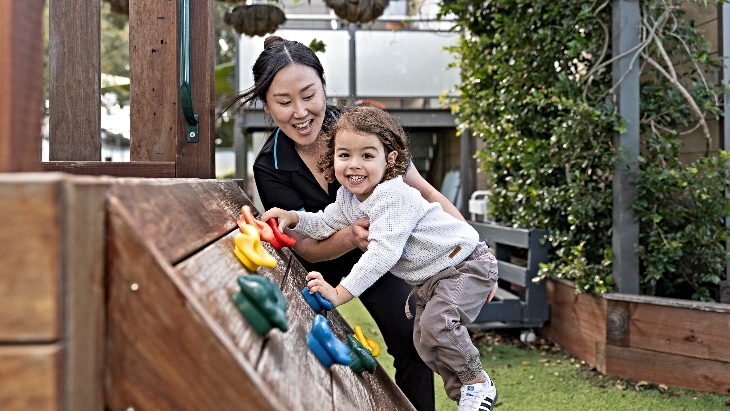
Across Australia, child safety sits at the centre of every reputable early learning environment. Parents entrust their little ones to educators each day, expecting not just nurturing care but robust, proven safety systems that protect children physically, emotionally, and socially.
To support the best possible outcomes for our children, we need to dive into the core safety standards that guide the sector, some of the key practices parents can look for, and how leaders in the childcare space are enhancing these systems to create strong, transparent cultures of safety.
Keeping Children Safe in Early Learning: What Australian Families Should Know
Every child deserves to feel safe, supported, and protected - both in and out of the classroom. When children feel secure and cared for, they’re free to explore, learn and thrive.
Early learning services across Australia operate under the National Quality Framework (NQF), which outlines strict requirements designed to protect children’s wellbeing and support their development.
Industry Standards and Safety
Some of the core industry safety standards include:
Supervision & Ratios
Children must be supervised at all times, with centres adhering to mandated child-to-educator ratios. This ensures educators can respond quickly, maintain engagement, and keep environments safe. Centres are expected to follow recognised safe sleep guidelines, including the Red Nose recommendations, which emphasise safe sleep environments, regular physical checks, and appropriate sleep positioning.
Hygiene & Health Procedures
Services must maintain high hygiene standards such as keeping nappy change areas clean and designated, supporting handwashing routines, and ensuring safe food handling. Children’s dietary requirements must be carefully managed, and staff must supervise eating to prevent choking risks.
Pickup & Drop-Off Security
In NSW and many other jurisdictions, only authorised parents or individuals listed on a child’s enrolment form can collect them. Identity checks and sign-in/out procedures form part of daily safety practice.
Staff Qualifications & Screenings
Every service must have at least one first-aid-qualified educator or nominated supervisor on site at all times. All educators must hold a valid Working with Children Check. New staff undergo induction and mandatory training before working directly with children.
Policy Reviews & Communication
Centres are required to regularly review their safety, hygiene, and risk-management policies. Families must be informed of any updates, incidents, or matters affecting children’s well-being.
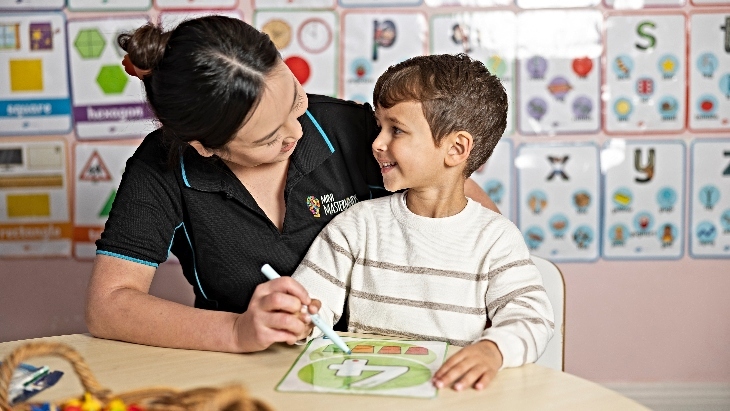
What Creates Safe Childcare Environments?
While regulations set the benchmark, safe environments rely on a combination of people, design, communication, and culture. Protecting children goes far beyond physical safety; it’s also about emotional and psychological security.
Keeping children safe isn’t just the role of educators - it’s a collective responsibility shared by families, carers, and the wider community. When they work together, children benefit from a consistent message: you are valued, supported, and safe. This shared commitment helps children develop trust, self-confidence, and the ability to speak up when something doesn’t feel right.
Some of the strongest safety systems come from:
- Vigilant educators who are present, observant, and responsive
- Purposeful environments built for visibility, accessibility, and minimal risk
- Clear communication channels between families and educators
- Strong partnerships with parents, where information is shared openly and consistently
- Child empowerment practices, encouraging children to understand boundaries, use their voice, and express concerns
- Proactive leadership that reviews systems, provides staff training, and invites community input
Together, these elements help children feel secure every day.
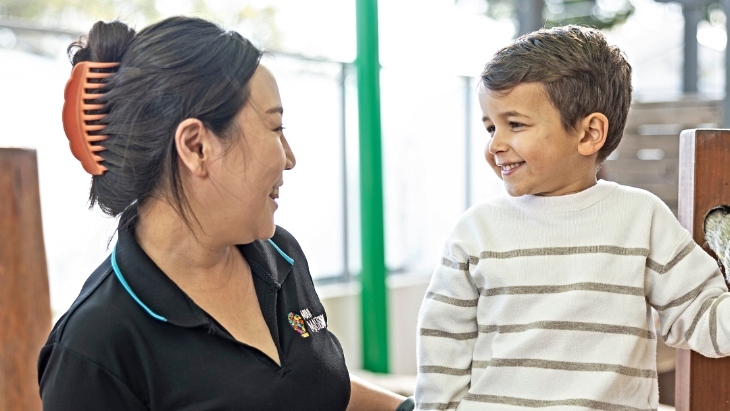
Leaders in Early Learning Strengthen Child Safety
Across the sector, high-performing early learning services are strengthening safety well beyond regulatory requirements. Mini Masterminds Early Learning Centres is one example, integrating rigorous safety measures that blend physical well-being, emotional security, and family partnership.
A few of the initiatives implemented at Mini Masterminds include:
Purpose-Built Transparency
Centres are designed to ensure educators maintain clear visibility of children at all times, with no blind spots. Fully visible nappy change areas increase transparency and supervision.
Enhanced Safe Sleep Checks
Educators conduct physical sleep checks every five minutes - far exceeding the standard requirements. This close monitoring provides added reassurance for families and ensures children remain safe throughout rest times.
Comprehensive Staff Training
All educators undergo thorough induction processes, including demonstrating safety procedures before supervising children. Ongoing professional development keeps teams up to date with best-practice approaches.
Stringent Food Safety & Dietary Care
A qualified chef prepares fresh meals daily. Educators double-check every plate against documented dietary needs before serving food and remain present during meals to support safe eating habits.
Real-Time Family Communication
Families receive secure, real-time updates throughout the day, improving transparency and strengthening trust between parents and educators.
A Dedicated Parent Safety Committee
Mini Masterminds has introduced a Parent Safety Committee - made up of parent-employees - who offer additional oversight, guidance, and feedback. This collaborative approach keeps safety responsive, community-driven, and consistently reviewed.
Creating Safe, Supportive Spaces for Every Child
By combining strong regulatory practice with proactive leadership and design, services like these demonstrate how early learning environments can nurture children’s wellbeing on every level.
With a culture of care, clear standards, ongoing training, transparent communication, and thoughtful centre design, early learning services can offer the secure, nurturing spaces children need to grow and thrive.
From industry regulations to the practical measures taken on the ground, supporting happier, safer environments for every child lays the foundation that will serve them for life.
More Top Tips For Families
I Thought I Knew How to Treat My Kids’ Cuts, Until I Learned This
Easy Toddler-Friendly Recipes for Inspiring Mini Chefs in the Kitchen
11 Easy Self-Care Ideas For Busy Mums
Have you signed up for our newsletter? Join ellaslist to get the best family and kid-friendly events, venues, classes and things to do NEAR YOU!
Reviews